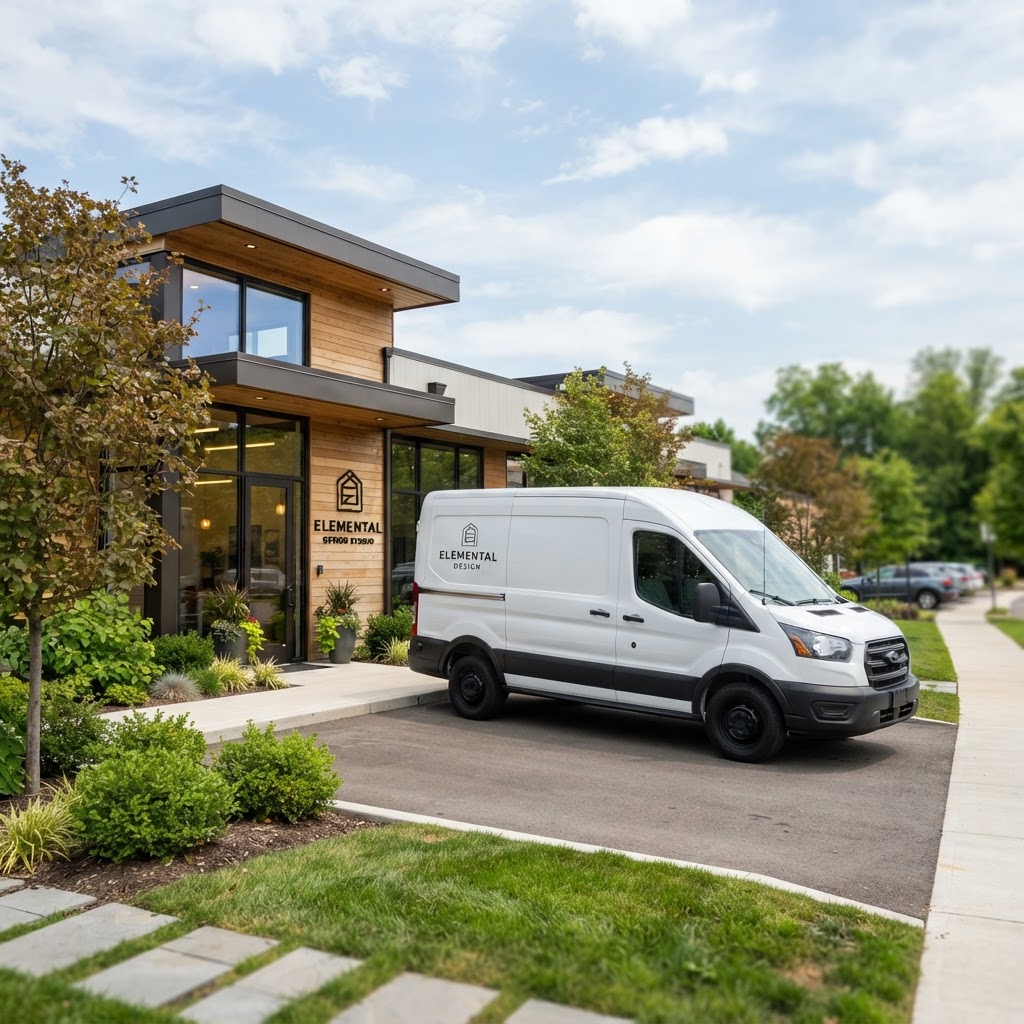
- Commercial auto insurance is specifically designed to protect businesses from the higher liability risks associated with vehicles used for professional tasks.
- Personal policies often contain exclusions that deny coverage if an accident occurs while the vehicle is being used for business purposes.
- Beyond just cars, commercial coverage applies to trucks, vans, and specialty vehicles used for deliveries, trades, and client transport.
- Business fleet insurance is necessary for companies operating multiple vehicles, providing centralized management and scalable protection.
- Failure to carry proper business vehicle insurance can result in denied claims, loss of financial assets, and potential legal repercussions.
As a business owner, you likely understand that your commercial operations require distinct protection compared to your private life. However, one area where many entrepreneurs frequently cut corners—often unintentionally—is in their vehicle coverage. When you use a vehicle to generate revenue, transport goods, or visit clients, the risks shift dramatically from those of a standard commuter. Understanding whether you need commercial auto insurance is not just about regulatory compliance; it is a fundamental aspect of risk management that ensures your business remains solvent in the event of an unforeseen collision or liability claim. In this comprehensive guide, the InsureIQGuru Editorial Team explores the nuances of business vehicle insurance, why your personal policy is likely insufficient, and how to structure a plan that guards your company’s future.
What Is Commercial Auto Insurance?
Commercial auto insurance is a specialized form of coverage designed to protect vehicles owned, leased, or utilized by a business. At its core, it functions similarly to a personal policy—offering protection against physical damage to the vehicle and liability for injuries or property damage caused to others—but it is underwritten specifically to address the unique exposures of a commercial operation. While a personal policy is built around the assumption that a car is used for errands, commuting, and leisure, a business auto policy accounts for the fact that a vehicle might be on the road for more hours, carrying expensive equipment, transporting paying passengers, or hauling heavy freight.
A typical commercial auto insurance package is flexible, ranging from single-vehicle policies for a sole proprietor’s work truck to comprehensive commercial fleet insurance for organizations managing dozens of vehicles. The underwriting process for these policies evaluates factors that are rarely considered in the personal insurance market, such as the type of cargo being hauled, the frequency of business-related stops, the radius of travel, and the specific duties of the drivers involved. For instance, a vehicle used by a plumber to carry tools to various job sites presents a different risk profile than a vehicle used by a real estate agent to occasionally show homes to clients, or a delivery van that spends eight hours a day in high-traffic urban corridors.
The financial foundation of these policies is typically higher liability limits. Because businesses are often viewed by the legal system as having deeper pockets, and because commercial vehicles are often involved in high-stakes incidents, the legal exposure is magnified. Consequently, insurers structure these plans to provide a buffer that protects the company’s broader balance sheet. Beyond basic liability, these policies often integrate coverage for specialized items, such as equipment permanently attached to the truck—like cranes or custom tool racks—which are generally excluded from personal auto policies. By bridging the gap between standard liability and the high-performance requirements of modern commerce, this coverage ensures that a single accident does not lead to the financial dissolution of a hard-built enterprise.
| Coverage Type | Primary Function | Best For |
|---|---|---|
| Small Business Auto Policy | Basic protection for 1-5 business vehicles. | Sole proprietors and small contractors. |
| Commercial Fleet Insurance | Bundled coverage for large vehicle pools. | Logistics firms and service companies. |
| Hired and Non-Owned Auto | Covers vehicles not owned by the business. | Companies with employees using personal cars. |
Personal vs. Commercial Auto Insurance: Key Differences
The primary distinction between personal and commercial auto insurance lies in the scope of the “permissive use” and the nature of the risk involved. When an insurer writes a personal policy, they base the premium on the driver’s history, the car’s safety features, and the location of the residence. They assume the vehicle is being used for daily life—grocery shopping, driving to the gym, or commuting. Once that same vehicle is used to generate income, that baseline assumption is invalidated. This is where the divide between personal vs. commercial auto coverage becomes critical for business owners to understand.
One major difference is the definition of liability and the limits provided. Personal policies typically carry lower liability caps, which are sufficient for most individual accidents. In contrast, commercial policies are often written with higher limits because the business entity itself can be named in a lawsuit. If an employee is driving a company-owned van and causes a multi-car pileup, the injured parties are likely to sue not just the driver, but the business, claiming that the company failed to properly train the driver or maintain the vehicle. Commercial auto insurance is specifically designed to provide a legal defense and coverage for these higher-stakes scenarios.
Another area of divergence is the coverage territory and the “business use” exclusion. Most personal policies contain specific language that excludes coverage if the vehicle is used to deliver goods for compensation or for “livery” services, such as ride-sharing. If an accident occurs while you are delivering catering supplies or driving a client to a site, your personal insurer may point to these exclusions to deny the claim entirely, leaving you personally responsible for thousands of dollars in damages. Furthermore, personal policies do not cover the specific needs of a business owner, such as coverage for “loss of income” while a delivery vehicle is being repaired, or higher levels of medical payments coverage if an employee is injured while on the clock.
Finally, the administrative approach to these policies differs significantly. Commercial policies often allow for “scheduled” vehicles, meaning you can add or remove cars from the policy as your business grows or downsizes. Some policies even offer “blanket” coverage, which provides protection for any vehicle used in the course of business, regardless of ownership status. This level of flexibility is largely absent in the consumer market, where each vehicle must be listed individually and linked to a specific primary operator. Navigating these differences requires a shift in mindset: stop thinking of your car as a piece of property, and start thinking of it as a vital operational asset that requires a business-grade safeguard.
Who Specifically Needs a Commercial Auto Policy?
A common misconception among entrepreneurs is that commercial auto insurance is only for companies that own large, branded trucks or heavy-duty machinery. In reality, the requirement for a business car insurance coverage policy is determined by the activity performed, not just the size of the vehicle. If you are using your personal car to provide a service, you are likely already crossing the threshold into the commercial domain. The question is not whether your car looks like a work vehicle, but whether your insurance provider would classify your activity as professional commerce.
Service professionals such as real estate agents, landscape architects, house cleaners, and mobile pet groomers often fall into a gray area. While they may use a standard sedan or SUV, the nature of their travel—visiting client sites, transporting materials, and meeting with partners—frequently exceeds the definition of “pleasure use.” If your primary purpose for travel is to reach a job site or transport goods for pay, you typically need a commercial policy. Furthermore, any business that owns vehicles titled in the name of the business entity (such as an LLC or Corporation) must carry a commercial policy, as personal auto policies are strictly written for individuals and cannot properly protect a legal business entity.
Certain industries are mandated by local or state regulations to hold specific types of commercial coverage. For example, any business that transports goods (common carriers) or passengers (livery services) is almost always required to have a commercial auto policy, and often one with higher-than-average limits to meet Department of Transportation (DOT) or public service commission guidelines. Similarly, if your employees use their personal vehicles to run errands for your company—such as picking up supplies, visiting clients, or attending off-site meetings—you need “Hired and Non-Owned Auto” (HNOA) coverage. This is a critical component of commercial insurance that protects your business if an employee gets into an accident while driving their own car on your behalf.
To determine if you specifically need this policy, ask yourself a few diagnostic questions: Is my vehicle used for door-to-door delivery? Do I carry heavy tools or expensive trade equipment on a regular basis? Is the vehicle owned by my business entity? Do I have employees who use their vehicles to perform work tasks? If you answered “yes” to any of these, you are operating in the commercial space. Failing to secure the right policy can result in a catastrophic coverage gap. It is significantly more affordable to transition to a business policy now than it is to handle a liability claim that has been denied by a personal insurer, which could result in the loss of your business and personal assets.
What Does Commercial Auto Insurance Actually Cover?
To understand the depth of protection afforded by business vehicle insurance, it is helpful to break the policy down into its standard components. Much like a personal policy, it contains elements of liability, collision, and comprehensive coverage, but these elements are calibrated to handle the rigors of business operations. Liability coverage remains the most significant component; it covers bodily injury and property damage for which you are held responsible. In a commercial context, this also extends to the costs of legal defense, which can be astronomical even if the business is ultimately cleared of fault. Because commercial vehicles are often heavier or driven more frequently, the risk of higher-severity accidents is priced into these liability limits.
Collision and comprehensive coverages are equally important but tailored for professional use. Collision coverage pays to repair your business vehicle after an accident, regardless of who is at fault. Comprehensive coverage protects against non-collision incidents such as theft, vandalism, fire, or severe weather damage. For a business, this is not just about the car; it is about the “downtime.” Many policies can be structured to include endorsements for “loss of use” or rental reimbursement, which ensures that if your primary work truck is in the shop for repairs, you have the financial means to rent a replacement vehicle immediately, allowing your operations to continue without skipping a beat.
A unique aspect of commercial policies is the inclusion of “Combined Single Limit” (CSL) options. Unlike personal policies, which often split liability into specific buckets for bodily injury per person, per accident, and property damage, a CSL provides a total pool of money that can be used for any combination of claims. This flexibility is highly prized by business owners who want to simplify their insurance management. Additionally, commercial policies often include coverages for “uninsured or underinsured motorists,” which is crucial because you cannot always rely on the other driver to have sufficient coverage. If one of your employees is struck by a driver without insurance, this coverage prevents the financial impact from landing squarely on your business balance sheet.
Furthermore, commercial auto insurance can be tailored to include “towing and labor” for specialized service vehicles, as well as coverage for equipment installed within the vehicle. If you are a mobile contractor, the tools you carry are often worth more than the vehicle itself. A standard policy might ignore these, but a well-structured commercial policy will ensure that the equipment is covered against theft or damage, provided it is properly scheduled. By aggregating these protections, the policy acts as a comprehensive shield, allowing the business owner to focus on scaling the operation rather than worrying about the potential financial ruin caused by a traffic incident.
The Risks of Using Personal Insurance for Business Travel
Using a personal auto policy for business-related travel is often referred to as “insurance fraud by omission.” While it may seem like a harmless oversight—simply neglecting to update your agent on how you use your vehicle—the financial and legal ramifications are severe. When you purchase a personal policy, you sign an agreement stating how the vehicle will be used. If you habitually use that vehicle for business—such as delivery, client transport, or professional site visits—and fail to disclose this, you are technically misrepresenting the risk to the insurer. In the eyes of many providers, this creates a situation where the policy can be voided entirely at the time of a claim.
The most immediate risk is a claim denial. Consider a scenario where you are driving to a client meeting and are involved in a collision. When the police report or the claims adjuster begins to look into the details, they may discover you were on a business errand. Once the insurer discovers the vehicle is being used for business purposes not disclosed in your application, they may deny the liability claim. This leaves you, the business owner, personally liable for all medical bills, property damages, and potential lawsuits arising from the accident. In the blink of an eye, your personal savings, home equity, and retirement funds could become the target of litigation.
Beyond the denial of claims, there is the risk of policy cancellation or “rescission.” If an insurer discovers you were using a personal policy for commercial activities, they have the right to cancel your policy mid-term and may even place a mark on your record in industry databases, making it difficult or significantly more expensive to obtain coverage from any reputable carrier in the future. This creates a ripple effect, potentially impacting your ability to obtain general liability insurance, workers’ compensation, or even bonding for future contracts. The professional credibility of your business can be questioned if you are unable to provide proof of valid, adequate insurance coverage to prospective clients or landlords.
Finally, there is the risk of “gaps” in the coverage itself. Even if an insurer decides to honor a claim as a gesture of goodwill, a personal policy lacks the specialized endorsements that a business actually requires. It will not cover the loss of business income, it will not protect the expensive tools or inventory you might be carrying, and it certainly won’t provide the level of legal defense that a commercial policy offers. By relying on a personal policy, you are essentially gambling with the survival of your business. The cost savings of maintaining a personal policy instead of a commercial one are usually negligible compared to the astronomical potential cost of an uninsured incident. Choosing the appropriate coverage is an investment in the long-term stability and professional reputation of your company.
Factors That Influence Commercial Auto Insurance Costs
Determining the premium for a small business auto policy is a complex process. Unlike personal auto insurance, which relies heavily on individual driving history and credit scores, commercial rates are built upon the specific risk profile of the business operation. Several variables come into play, and understanding them can help business owners manage their insurance overhead more effectively.
First and foremost, the nature of the business is a primary driver of cost. An insurance provider evaluates the cargo being transported, the destination of the vehicles, and the frequency of use. For instance, a florist delivering local bouquets faces different liability risks than a contractor hauling heavy machinery or hazardous materials across state lines. The greater the exposure to potential accidents, theft, or cargo damage, the higher the insurance premium will typically be.
The types and age of vehicles in your fleet also carry significant weight. Insurers look at the replacement cost of the vehicle, its safety ratings, and the cost of parts if repairs are needed. Large trucks, specialized utility vans, and heavy-duty trailers have much higher repair and replacement costs than standard passenger sedans. Furthermore, modern vehicles equipped with advanced safety features, such as collision avoidance systems, may sometimes qualify for premium discounts, whereas older vehicles without these safety mechanisms might be viewed as higher risk.
Driving records and personnel screening remain crucial. Even if the business is the policyholder, the human element—the drivers—is central to underwriting. Insurers will examine the Motor Vehicle Records (MVRs) of all employees authorized to operate company vehicles. A history of moving violations, accidents, or DUI charges significantly increases the risk profile. Many savvy business owners mitigate these costs by implementing strict driver-hiring policies and conducting regular safety training, which shows insurers that the company takes fleet management seriously.
Geographic location is another vital factor. Operating in a densely populated urban center typically invites higher premiums due to the increased frequency of traffic congestion, accidents, and vehicle theft compared to rural operations. Additionally, local weather patterns and regional litigation trends—how frequently courts in a specific area award high damages in accident lawsuits—can influence the overall risk assessment for that territory.
Finally, the coverage limits and deductibles selected directly impact your bottom line. Opting for higher liability limits—often necessary to protect corporate assets in the event of a significant lawsuit—will increase the premium. Conversely, choosing a higher deductible can lower your immediate monthly or annual insurance costs, though it requires the business to have adequate cash reserves to cover smaller out-of-pocket expenses if an incident occurs.
Understanding Hired and Non-Owned Auto Liability
One of the most misunderstood aspects of business vehicle insurance is the distinction between owned, hired, and non-owned vehicles. Many business owners mistakenly assume their standard policy covers any vehicle used for business purposes, but that is rarely the case. Hired and Non-Owned Auto (HNOA) coverage is a vital, yet often overlooked, component of a comprehensive risk management strategy.
Hired Auto Liability covers vehicles that your business leases, rents, or borrows. If you send an employee to a rental agency to pick up a cargo van for a temporary project, that vehicle falls under the “hired” category. Should that employee be involved in an accident while using the van for business, your commercial policy—specifically the hired auto provision—provides the necessary liability protection. Without it, you might be left relying on the rental agency’s basic insurance, which often carries low limits and high deductibles that may not be sufficient for a business-related claim.
Non-Owned Auto Liability is even more critical for businesses that rely on employee-owned vehicles. This happens frequently: an employee uses their personal car to visit a client, run to the post office, or attend a job site. If that employee causes an accident while performing a work-related task, the business can be held vicariously liable for the damages. Personal auto insurance policies typically include “business use” exclusions, meaning the employee’s personal insurer may deny the claim if they find out the vehicle was being used for professional purposes. In this scenario, your business is left directly exposed to lawsuits.
Non-owned auto liability provides a secondary layer of protection. It steps in to protect the business entity itself when a legal claim is brought against the company because of an employee’s actions in their own vehicle. It is essential to note that this coverage typically does not cover the employee’s personal vehicle for physical damage; it is strictly meant to protect the employer from liability lawsuits.
Business owners should ensure that their small business auto policy specifically includes an endorsement for HNOA coverage if any of the following apply to their daily operations:
- Employees frequently run errands using their own cars.
- The business occasionally rents vans, box trucks, or cars for client transport or logistics.
- The business relies on independent contractors who use their own vehicles to provide services.
By integrating HNOA coverage, you close a dangerous gap in your business insurance portfolio, ensuring that your company is protected even when your employees are behind the wheel of a vehicle that isn’t owned by the firm.
How to Choose the Right Coverage Limits for Your Fleet
Selecting appropriate coverage limits for commercial fleet insurance requires a balance between risk tolerance and financial capacity. There is no one-size-fits-all approach; the right limit for a local landscaping firm is vastly different from that of a regional logistics provider. To choose wisely, you must evaluate your “worst-case scenario.”
Begin by calculating the total value of your fleet assets and the potential for a catastrophic liability event. A single serious accident involving a commercial truck can lead to medical expenses, lost wages, and pain and suffering claims that reach into the millions. If your liability limit is too low, the court may order the business to liquidate assets—such as real estate, equipment, or capital—to pay the remaining judgment.
Industry standards often suggest that businesses carry at least $1 million in combined single-limit liability coverage. This is a common requirement in many commercial contracts. However, if your fleet consists of heavy-duty vehicles or if you operate in high-traffic environments, you may need to consider an umbrella policy to extend your limits further. Umbrella insurance provides an extra layer of protection that kicks in once the primary policy’s limits are exhausted.
| Coverage Type | Primary Benefit | Best For |
|---|---|---|
| Standard Liability | Covers third-party injury/property damage. | Small businesses with low-risk operations. |
| Comprehensive/Collision | Covers repairs to your owned vehicles. | Businesses with significant investment in fleet assets. |
| Hired/Non-Owned | Covers liability in non-company vehicles. | Companies with mobile, field-based staff. |
| Umbrella/Excess | Extends limits beyond primary policy. | Large fleets or high-risk logistics operations. |
When determining your limits, consider the “litigation environment.” If your business interacts with the public, such as food delivery or transport, you are statistically at a higher risk of being named in a liability suit. In these cases, it is safer to err on the side of higher limits. It is also wise to consult with an insurance advisor who understands your specific industry, as they can provide data on the average claim amounts for companies of your size in your specific sector.
Lastly, review your limits annually. As your business grows, your fleet may expand, or your operational footprint may shift to new states with different legal standards. Keeping your insurance policy static while your business evolves is a recipe for coverage gaps that can leave you financially vulnerable.
Common Mistakes When Insuring Business Vehicles
Even seasoned business owners can fall into traps when navigating the complexities of commercial auto insurance. Avoiding these common pitfalls can save your company from denied claims and significant financial losses.
1. Relying on personal auto insurance for business tasks. This is the most frequent and dangerous mistake. Many business owners think they can save money by simply keeping their vehicles on a personal policy. However, when an insurance provider discovers that a vehicle was being used for business purposes at the time of an accident—such as deliveries or client meetings—they will likely deny the claim, leaving the business owner personally liable for every cent of damage and legal costs.
2. Failing to update the policy when fleet dynamics change. Businesses are fluid. You might buy a new, high-value delivery van, sell an old sedan, or hire a new driver with a spotty record. Failing to notify your insurance agent of these changes can result in gaps in coverage. An unlisted vehicle is an uninsured vehicle, and an unlisted driver might not be covered under your policy’s liability provisions.
3. Underestimating the need for “Uninsured Motorist” coverage. While liability insurance protects others from you, Uninsured Motorist (UM) and Underinsured Motorist (UIM) coverage protect you from them. If one of your employees is hit by someone who has no insurance or insufficient limits, and your own policy lacks UM/UIM protection, your business will have to absorb the costs of vehicle repair and employee medical bills.
4. Misclassifying the vehicle use. Insurers categorize vehicles based on how they are used, such as “service use,” “retail use,” or “commercial hauling.” If you categorize your van as a simple service vehicle but start using it for heavy-duty long-haul deliveries, your risk profile changes. If you do not update this classification, the insurer may argue that you misrepresented your risk, which can lead to policy cancellation or a denial of coverage in the event of a claim.
5. Ignoring the importance of cargo coverage. Many owners assume commercial auto insurance automatically covers the items in the vehicle. In many cases, it does not. If you are a plumber, your tools might be covered under a separate “inland marine” or “tool floater” policy, not the auto policy. If you are a courier, you need specialized motor truck cargo insurance. Reviewing exactly what is and is not covered is essential to ensuring your livelihood remains protected while in transit.
Frequently Asked Questions
Does my personal car insurance cover me if I use my car for work occasionally?
Typically, no. Most personal auto insurance policies contain a “business use” exclusion. If you are involved in an accident while using your vehicle for business purposes—like transporting products or visiting clients—your personal insurance carrier may deny the claim. You should check with your agent to see if you can add a business use endorsement to your personal policy or if you require a separate business policy.
What is the difference between commercial fleet insurance and a small business auto policy?
The distinction is primarily about scale. A small business auto policy is designed for companies with one or just a few vehicles. Commercial fleet insurance is a specialized program for businesses that own a larger number of vehicles (typically five or more). Fleet policies are often more customizable, allowing for centralized management, easier administrative tracking, and potentially better pricing based on economies of scale.
Are independent contractors covered under my business auto insurance?
Generally, independent contractors are considered separate entities. If they drive their own vehicles, they should carry their own commercial insurance. However, if your business is held liable for their actions, you need Hired and Non-Owned Auto Liability coverage to protect the business entity. Never assume that your business policy automatically covers your subcontractors.
Can I insure my employees on my business vehicle policy if they have bad driving records?
You can, but it will affect your premiums. When you add a driver to your policy, the insurer will review their driving history. If a driver has multiple accidents or moving violations, your insurance company may increase your rates or, in some cases, refuse to cover that specific driver. It is crucial to be transparent with your insurer to ensure all your drivers are properly covered.
What happens if my business vehicle is stolen?
If you have “Comprehensive” coverage included in your commercial auto policy, your insurer will typically cover the theft of the vehicle, subject to your deductible. Comprehensive coverage also protects against other non-collision events, such as vandalism, fire, or damage caused by falling objects. Always keep a detailed inventory of your vehicles and ensure that theft protection is part of your policy structure.
Do I need commercial auto insurance if I am a sole proprietor?
Yes. Many sole proprietors mistakenly believe that since they are the only ones working, they don’t need commercial coverage. However, your business is a separate legal risk. If you are driving for business purposes, you are putting your personal assets at risk if you only hold a personal policy. A commercial auto policy is the best way to separate your business liabilities from your personal finances.
Conclusion
Navigating the world of commercial auto insurance may seem daunting, but it is an indispensable element of protecting your company’s future. Whether you operate a single vehicle or manage a large, complex fleet, the risks associated with daily operations are simply too significant to leave to chance. By understanding the nuances of personal vs commercial auto coverage, securing the right liability limits, and avoiding common pitfalls like coverage gaps, you ensure that your business can weather the unexpected challenges of the road.
Don’t wait for an accident to occur to discover your coverage gaps. Take the time today to review your current policy, assess your fleet’s exposure, and consult with a qualified insurance professional who can tailor a policy to your specific business needs. Safeguarding your vehicles is not just about compliance—it is about securing the stability and longevity of your entire enterprise.
Ready to strengthen your business defenses? Reach out to your insurance provider today to conduct a comprehensive risk audit and ensure your fleet is protected for the road ahead.
By insureiqguru Editorial Team
Leave a Reply