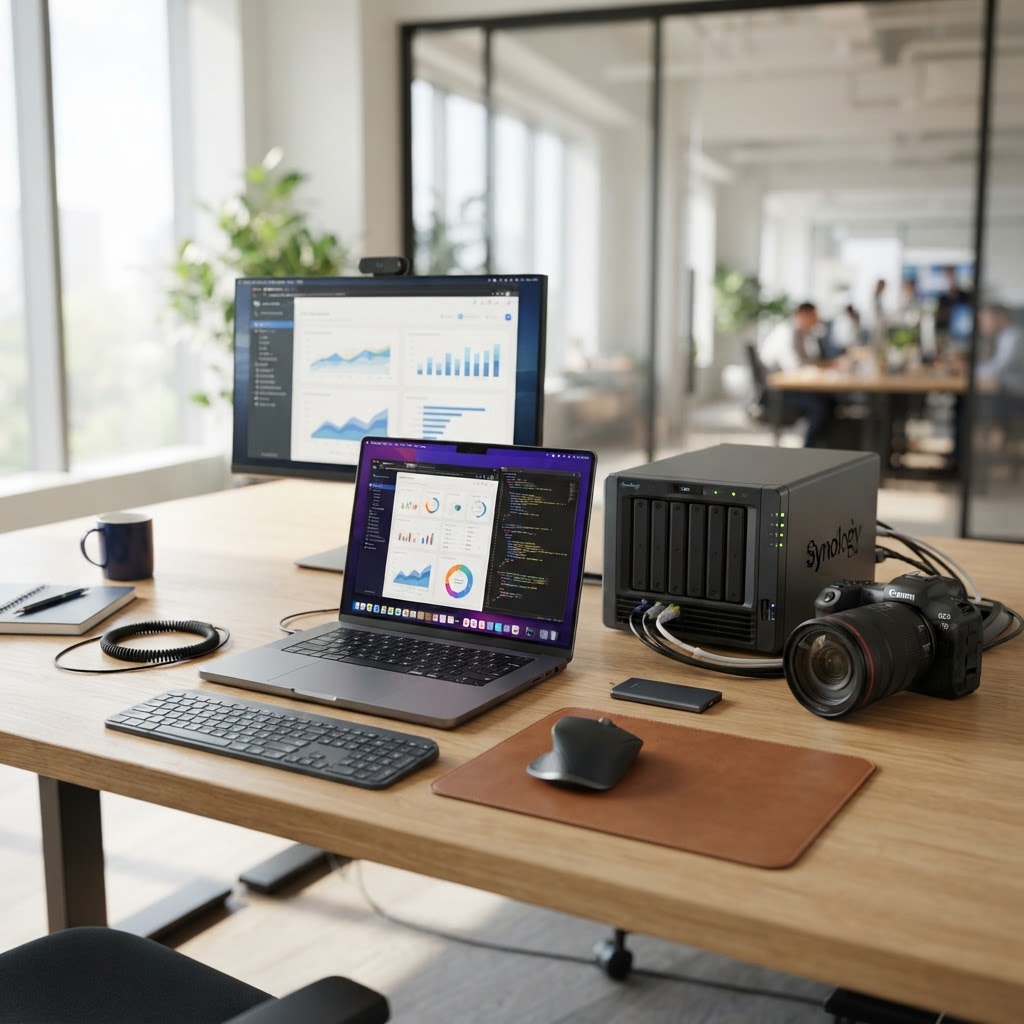
- Business equipment insurance provides financial protection for the specialized machinery, tools, and technology essential to your daily operations.
- Distinguishing between general business property insurance and specialized equipment coverage is vital to avoiding dangerous gaps in your risk management plan.
- Equipment breakdown coverage acts as a critical safeguard against mechanical or electrical failures that standard property policies often exclude.
- Businesses heavily reliant on heavy machinery, high-end computing systems, or sensitive medical devices face unique risks that require tailored insurance solutions.
- Proactive risk mitigation, such as regular maintenance and secure storage, can significantly lower premiums and improve your chances of claim approval.
In the modern commercial landscape, your equipment is more than just inventory; it is the lifeblood of your productivity. Whether you operate a high-tech manufacturing facility, a bustling medical clinic, or a creative agency fueled by powerful workstations, the unexpected failure or loss of your core tools can bring your revenue to a grinding halt. Many business owners assume their general policies cover every eventuality, only to discover too late that their most vital assets fall into a coverage grey area. Understanding the nuances of business equipment insurance is not merely a task for the accounting department—it is a fundamental pillar of business continuity planning. This guide, prepared by the InsureIQGuru Editorial Team, explores how you can secure your professional tools, minimize downtime, and make informed decisions about your commercial insurance portfolio.
What Is Business Equipment Insurance?
At its core, business equipment insurance is a specialized form of protection designed to cover the repair or replacement costs of the tools and machinery that allow your company to function. While many entrepreneurs conflate this with general insurance, true business equipment insurance is a nuanced product that targets the specific operational risks associated with your gear. This protection can extend to a wide range of assets, including computers, specialized manufacturing presses, medical imaging machines, diagnostic software, and high-value portable tools used on job sites. By investing in this coverage, you are essentially purchasing a safety net that keeps your operations moving even when physical assets fail.
The definition of what constitutes “equipment” can vary significantly between insurance providers, which is why reading the policy declaration is essential. Generally, this insurance covers assets that are essential to your business functions but are not considered part of the building structure itself. For a contractor, this might include drills, saws, and heavy earth-moving machinery. For a digital agency, it might include servers, custom workstations, and proprietary audiovisual equipment. The primary goal of these policies is to restore your financial health after a loss so that you can resume business operations as quickly as possible. Without this type of policy, your balance sheet would have to absorb the full cost of replacing a broken or stolen piece of expensive hardware, which could lead to significant cash flow disruption or even total business failure.
Furthermore, this insurance often includes coverage for “loss of use” or “business interruption” resulting from the failure of critical equipment. If a central piece of machinery breaks down and prevents you from fulfilling client orders, your policy may help cover the income you lost during the repair period. This aspect of the coverage is often overlooked but is arguably the most valuable. When you assess your needs, you must account for the value of the equipment itself plus the value of the work that equipment performs. By categorizing your assets effectively—grouping them by mission-critical importance versus secondary tools—you can better structure your policy to ensure that your most vital assets are protected by the highest coverage limits available, while lower-risk items can be managed with more budget-friendly deductibles.
What Specifically Does Equipment Insurance Cover?
Commercial equipment protection is designed to be robust, yet it is rarely an “all-inclusive” catch-all. Generally, this insurance covers physical damage resulting from sudden and accidental events. This typically includes theft, vandalism, fire, smoke, and severe weather damage. However, the scope of coverage often expands to include specialized scenarios like electrical surges, which are a major culprit in the destruction of sensitive computing hardware and complex laboratory instruments. If a power spike fries your motherboard or an entire server cluster, this insurance is often the primary vehicle for recovery.
Another critical area of coverage is transit-related damage. Many businesses operate on an itinerant basis, moving expensive tools from a shop to a client site or between various job locations. Standard business property insurance often restricts coverage to the physical address listed on the policy. In contrast, specialized insurance for office tools or field equipment can provide “floater” coverage, ensuring that your equipment is protected while it is being transported or while it is temporarily located at a third-party site. This is a vital distinction for contractors, event photographers, and mobile consultants who rarely perform all their work within the confines of a single office building.
It is important to understand the concept of “replacement cost” versus “actual cash value” when examining your coverage. If a piece of equipment is five years old, a policy covering “actual cash value” will only pay you what the equipment is worth on the secondary market today, accounting for depreciation. Conversely, “replacement cost” coverage pays out the amount necessary to buy a brand-new, equivalent item, regardless of its age. Given how quickly technology evolves, many businesses find that replacement cost coverage is superior, as it allows them to upgrade to modern versions of their equipment, effectively turning a catastrophic loss into a forced, yet necessary, operational upgrade. Always clarify with your broker which valuation method applies to your specific assets, as this can lead to massive differences in the final claim settlement amount.
| Insurance Type | Primary Focus | Best For |
|---|---|---|
| Standard Property Insurance | Structural & Fixed Assets | Office buildings, warehouses, furniture. |
| Specialized Equipment Floater | Mobile & High-Value Tools | Contractors, photographers, mobile techs. |
| Equipment Breakdown Insurance | Mechanical/Electrical Failure | Manufacturers, clinics, server-heavy firms. |
| Inland Marine Insurance | Assets in Transit | Companies moving inventory/gear frequently. |
Business Equipment Insurance vs Commercial Property Insurance
One of the most frequent misconceptions in the insurance world is that a commercial property policy is enough to cover all business assets. While these policies are related, they serve very different masters. Commercial property insurance is primarily designed to protect the “shell” of your business—your office space, warehouse, or storefront—and the fixtures permanently attached to them. This includes the building structure, installed cabinetry, HVAC systems, and signage. If a pipe bursts and floods your office, or if a storm damages your roof, your property insurance is designed to respond. However, it often explicitly excludes movable machinery and specialized equipment once they are disconnected from the primary building infrastructure.
When comparing business property insurance vs equipment insurance, think of the property policy as the protector of your location, and the equipment policy as the protector of your productivity. A standard property policy will likely cover the desk you sit at, but it may fail to cover the high-end industrial printer or the heavy-duty 3D scanner sitting on top of that desk. Furthermore, property insurance policies are often subject to specific “perils” lists. If an event is not explicitly named in the policy—such as a specific type of mechanical failure—the insurer may deny the claim. Equipment insurance, especially when customized, often uses a broader “all-risk” approach that covers everything except for those things specifically excluded in the contract.
This distinction becomes even more critical when looking at policy sub-limits. Many commercial property policies have a “blanket” limit, but they may have very low sub-limits for electronics or portable equipment. If you own a $50,000 piece of medical equipment, but your property policy only has a $5,000 sub-limit for “off-premises electronic equipment,” you are effectively self-insuring for 90% of the risk. By decoupling your equipment insurance from your property insurance, you allow yourself the flexibility to set appropriate limits for your assets, regardless of where they are located. This approach ensures that your assets are accurately valued, properly protected, and that your business can return to its intended output levels as swiftly as possible following an incident.
Understanding Equipment Breakdown Coverage
Equipment breakdown coverage is often the “hidden gem” of a comprehensive business insurance strategy. It serves as an essential complement to other forms of insurance because it covers the very thing that standard policies typically exclude: internal failure. If a piece of equipment experiences a short circuit, an internal motor burnout, a boiler explosion, or a computer system failure caused by an internal power surge, your standard property insurance will usually decline the claim because the damage did not result from an external event like a fire or storm. This is where equipment breakdown insurance steps in to provide the necessary coverage for the repair or total replacement of the failing component.
For many businesses, the risk of internal failure is significantly higher than the risk of fire or theft. For instance, a dental practice relies entirely on complex compressors and imaging hardware that can fail due to simple mechanical wear or electronic glitches. If these machines break down, the cost to repair the specialized circuit boards or unique internal pumps can reach into the thousands of dollars. More importantly, the cost of the repair is often secondary to the loss of revenue while the practice remains unable to see patients. Equipment breakdown coverage typically includes “extra expense” coverage, which helps pay for the costs involved in expediting repairs or renting substitute equipment so your business can continue to function during the downtime.
Furthermore, these policies are not limited to just the machine itself. Many modern equipment breakdown packages include coverage for loss of perishable goods. Imagine a bakery that loses a cooling system; the equipment breakdown policy would cover the cost of the broken cooler, but it would also reimburse the value of the spoiled ingredients that were ruined as a result of the failure. As our infrastructure becomes increasingly digitized, the likelihood of “hidden” failures, such as software corruption or complex sensor errors, increases. Having dedicated breakdown protection ensures that your business does not have to pay out-of-pocket for these inevitable, non-external mechanical failures. It is a proactive investment in the longevity and reliability of your firm’s operational backbone.
Which Businesses Need Specialized Equipment Insurance?
Not every business needs a highly complex, custom-tailored equipment policy, but certain industries are at an elevated risk profile where standard coverage is simply insufficient. If your business depends on assets that are uniquely expensive, mobile, or sensitive to environment and power fluctuations, you are likely a candidate for specialized commercial equipment protection. For instance, the manufacturing sector is arguably the most reliant on this insurance. With heavy reliance on CNC machines, molding presses, and automated assembly lines, a single point of failure can halt an entire production line. For these firms, equipment breakdown coverage is not an option; it is a fundamental cost of doing business.
Similarly, the healthcare and medical technology fields require high-level asset protection. Diagnostic clinics, specialized laboratories, and hospitals house millions of dollars in sensitive hardware, such as MRI machines, centrifuges, and refrigeration units for vaccines. These pieces of equipment are notoriously expensive to repair and are highly sensitive to even minor environmental changes or power grid instabilities. Because these machines are essential to the delivery of healthcare services, a gap in insurance coverage could lead to both significant financial losses and potential professional liability issues if patient services are interrupted for an extended duration.
We must also consider the growing sector of technology-heavy businesses, such as data centers, software development firms, and audiovisual production studios. For these companies, the “equipment” is the revenue driver. A high-end film production company might transport hundreds of thousands of dollars worth of cameras, lenses, and lighting equipment to various international locations every month. In this case, standard property insurance is useless while the gear is in transit or on a set. These businesses require “Inland Marine” policies or comprehensive equipment floaters that specifically account for the movement of assets and the specific risks involved in off-site usage. Ultimately, if your equipment is portable, highly specialized, or critical to the point where downtime is measured in lost revenue per hour, you should consult with a risk advisor to ensure your insurance structure matches the reality of your operational risks.
Common Risks to Business Assets and Tools
To effectively manage risk, business owners must first recognize that threats to commercial equipment are diverse and often unpredictable. While many entrepreneurs focus primarily on theft, the reality of the modern workplace presents a broader spectrum of hazards. Understanding these risks is the first step in determining the necessary levels of commercial equipment protection for your unique operation.
Physical Damage and Accidental Breakage: This remains one of the most frequent claims. In fast-paced environments—such as construction sites, kitchens, or busy warehouses—accidents are inevitable. Whether it is a forklift backing into a high-end printing press or a laptop being dropped during a client presentation, physical trauma to hardware is a constant vulnerability.
Electrical and Mechanical Failure: Equipment breakdown coverage is designed specifically for this category, as these incidents often fall outside the scope of standard property policies. Power surges, short circuits, and mechanical fatigue can cripple sophisticated machinery. In an age where even basic office tools are reliant on complex circuitry, a single voltage spike can render an entire network of computers useless.
Environmental and Natural Perils: Depending on your geographic location, your assets face distinct environmental threats. Humidity and extreme temperatures can corrode sensitive internal components, while floods, windstorms, and lightning strikes represent catastrophic risks. Even in climate-controlled environments, a burst pipe in the office ceiling can destroy thousands of dollars in server equipment in a matter of minutes.
Theft and Vandalism: Commercial equipment is often a prime target for criminal activity. Portable items—such as tablets, cameras, and specialized hand tools—are particularly susceptible because they are easy to remove from the premises. Even when items are bolted down, vandalism can render heavy machinery inoperable, forcing expensive and time-consuming repairs.
Obsolescence and Software Corruptions: While some forms of software issues are considered maintenance, major data corruption resulting from covered hardware failure is a growing concern. Protecting the physical interface of your assets is essential, as the software running your business cannot function without the integrity of the underlying hardware.
How to Calculate the Replacement Value of Your Assets
Establishing the correct coverage limit requires an accurate audit of your business property. If you under-insure your equipment, you may face significant out-of-pocket costs during a total loss. To begin, perform a comprehensive inventory of all business assets, including heavy machinery, office furniture, computers, and specialized hand tools.
Step 1: Determine Replacement Cost vs. Actual Cash Value: You must decide whether to insure your items for their “Actual Cash Value” (which accounts for depreciation) or “Replacement Cost” (the amount required to buy a brand-new equivalent today). Most experts recommend Replacement Cost coverage, as the cost to replace an item is often significantly higher than its depreciated resale value.
Step 2: Catalog Every Asset: Create a digital spreadsheet containing the following details for every item:
- Item name and description.
- Serial numbers and model numbers.
- Date of purchase and original cost.
- Current market price for a new version of the same or equivalent model.
Step 3: Factor in “Soft Costs”: Remember that the cost of your equipment is not just the sticker price. Include the cost of shipping, professional installation, software configuration, and data migration services. These expenses are often overlooked, yet they can add a significant percentage to the total cost of replacing your operational capacity.
Step 4: Annual Audits: Business asset insurance is not a “set it and forget it” task. As you purchase new equipment or retire old tools, your insurance limits must be adjusted. Conduct a formal inventory review at least once annually to ensure your policy reflects the current scale and value of your operation.
Factors That Influence Equipment Insurance Premiums
Insurance providers determine premiums by assessing the level of risk associated with your specific business operations. While every carrier has its own proprietary formula, several core factors consistently influence the cost of business equipment insurance.
Type of Industry: A retail store with basic point-of-sale systems faces different risks than a specialized manufacturing plant. Industries that rely on expensive, heavy, or volatile equipment will generally face higher premiums due to the increased cost of repair and replacement.
Geographic Location: If your business is located in an area prone to natural disasters—such as hurricanes, earthquakes, or wildfires—your premiums will naturally be higher. Even urban areas with high crime rates can impact the “theft” component of your property insurance premiums.
Security Measures: Insurance companies reward risk mitigation. Businesses that utilize monitored alarm systems, fire suppression systems, high-quality locks, and security cameras can often negotiate lower premiums. These measures demonstrate that you are proactively working to prevent losses before they occur.
Claims History: Your business’s track record matters. A history of frequent or large claims suggests a higher future risk to the insurer. Conversely, businesses that maintain a long period without filing claims may qualify for loyalty discounts or more favorable policy terms.
Deductible Selection: As with personal insurance, choosing a higher deductible—the amount you pay out-of-pocket before insurance kicks in—will typically result in lower monthly premiums. Carefully analyze your cash reserves to determine a deductible that provides financial protection without creating a liquidity crisis in the event of a claim.
| Coverage Type | Primary Focus | Best For |
|---|---|---|
| Standard Property Insurance | Building and contents against fire, theft, and natural disasters. | Retailers and office-based businesses with fixed assets. |
| Equipment Breakdown Insurance | Mechanical, electrical, or pressure system failures. | Manufacturers, medical practices, and tech-heavy firms. |
| Inland Marine Insurance | Equipment that travels away from the business premises. | Contractors, photographers, and mobile consultants. |
| Electronic Data Processing (EDP) | Hardware, software, and proprietary data restoration. | IT firms and creative agencies. |
What Is Typically Excluded from Equipment Coverage?
It is vital to distinguish between what your policy covers and what it does not. Being aware of these common exclusions prevents unpleasant surprises during the claims process.
Normal Wear and Tear: Policies are intended to cover accidents and sudden failures, not the gradual degradation of parts due to expected use. Maintenance, routine servicing, and the natural life cycle of parts are the responsibility of the owner.
Intentional Acts: Any damage caused by the business owner or employees through intentional misuse, neglect, or fraudulent activity is strictly excluded. Insurance is a tool for risk management, not a safeguard against poor operational oversight.
Standard Software Issues: While a physical server might be covered if it is damaged in a fire, the *loss of data* or glitches in software code are rarely covered under standard hardware policies. You may need separate cyber insurance or business interruption riders to account for software-related business downtime.
Specific Environmental Perils: Standard policies often exclude specific disasters like floods or earthquakes unless you have purchased an explicit endorsement or rider. If your business is in a high-risk flood zone, verify that your policy includes water-related damages specifically.
Pests and Vermin: Damage caused by rodents, insects, or other pests is generally considered a maintenance issue that should have been managed by the business owner. Policies often exclude claims that could have been avoided through proper facility upkeep.
Steps to Filing a Business Equipment Claim
When an asset fails or is damaged, time is of the essence. A structured, professional approach to the claims process can help ensure a faster and more favorable resolution.
1. Prioritize Safety and Mitigation: Your first action should always be to prevent further damage. If a pipe bursts over your equipment, turn off the water and move the hardware to a dry area. Documenting that you took reasonable steps to mitigate the damage is a crucial part of the insurance adjuster’s evaluation.
2. Contact Your Agent Immediately: Report the incident to your insurance provider as soon as it is safe to do so. Many policies have strict notification deadlines. Provide your policy number and a clear, chronological summary of what occurred.
3. Document Everything: Before cleaning up or moving damaged equipment, take high-resolution photos and videos from multiple angles. Create a detailed written log of the damage, including serial numbers and any relevant repair estimates you might have obtained.
4. Do Not Dispose of Evidence: Never throw away damaged equipment until the adjuster has inspected it or explicitly told you that it is safe to do so. The item itself may be the most important piece of evidence in determining whether the cause of the failure was covered under your policy.
5. Maintain a Detailed Claim Log: Keep a record of every communication you have with your insurance company, including names, dates, times, and summaries of what was discussed. If there is a dispute regarding the coverage, having a paper trail is your strongest asset.
Frequently Asked Questions
Is business property insurance the same as equipment breakdown coverage?
No, they are distinct. Business property insurance generally covers the structure and contents against external perils like fire, wind, or theft. Equipment breakdown insurance covers internal failures, such as mechanical or electrical breakdowns that are not caused by external trauma, which are often excluded from standard property policies.
Do I need specialized insurance for equipment I take to client sites?
Yes. Many standard property policies are written to cover assets strictly at your “scheduled premises.” If you frequently take equipment on the road, you should look into Inland Marine insurance, which is specifically designed to cover mobile assets while they are in transit or at temporary work sites.
How does depreciation affect my equipment claim payout?
If you have an “Actual Cash Value” policy, the insurer will subtract depreciation based on the item’s age and condition, meaning you will receive less than the cost of a new item. If you have “Replacement Cost” coverage, the insurer will pay the amount needed to replace the item with a new version, regardless of depreciation.
What if my equipment is old and parts are no longer available?
This is a common scenario in many industries. If your equipment is obsolete, an insurer will typically cover the cost of a modern equivalent that performs a similar function. However, it is important to clarify this with your agent before a claim occurs to ensure your policy language accommodates technological updates.
Are my employees’ personal laptops covered by my business policy?
Typically, no. Business equipment insurance covers assets owned by the business. If employees use their own devices, they are generally responsible for their own insurance, or you may need to purchase a specific policy extension that covers “non-owned” equipment if it is used for business purposes.
What can I do to speed up the claims process?
The best way to expedite a claim is to have a pre-existing, updated inventory list, including digital copies of receipts and model numbers. Providing clear documentation, photos, and a prompt initial report to your insurer allows the adjuster to move forward with the assessment without back-and-forth requests for information.
Conclusion
Protecting your business assets is not merely a bureaucratic requirement; it is a fundamental pillar of business continuity. By understanding the nuances of business equipment insurance—from the specific protections offered by breakdown coverage to the practicalities of asset valuation—you position your company to withstand unexpected financial shocks. The right coverage serves as a safety net, allowing you to focus on growth and innovation rather than the potential costs of a catastrophic equipment failure.
Review your current policy today, conduct an thorough audit of your assets, and ensure your coverage limits align with the modern reality of your business. If you find gaps in your protection, consult with a licensed professional to tailor a policy that fits your specific industry needs. Don’t wait for a breakdown to find out where your vulnerabilities lie—take control of your assets and secure your business future now.
By insureiqguru Editorial Team
Leave a Reply